
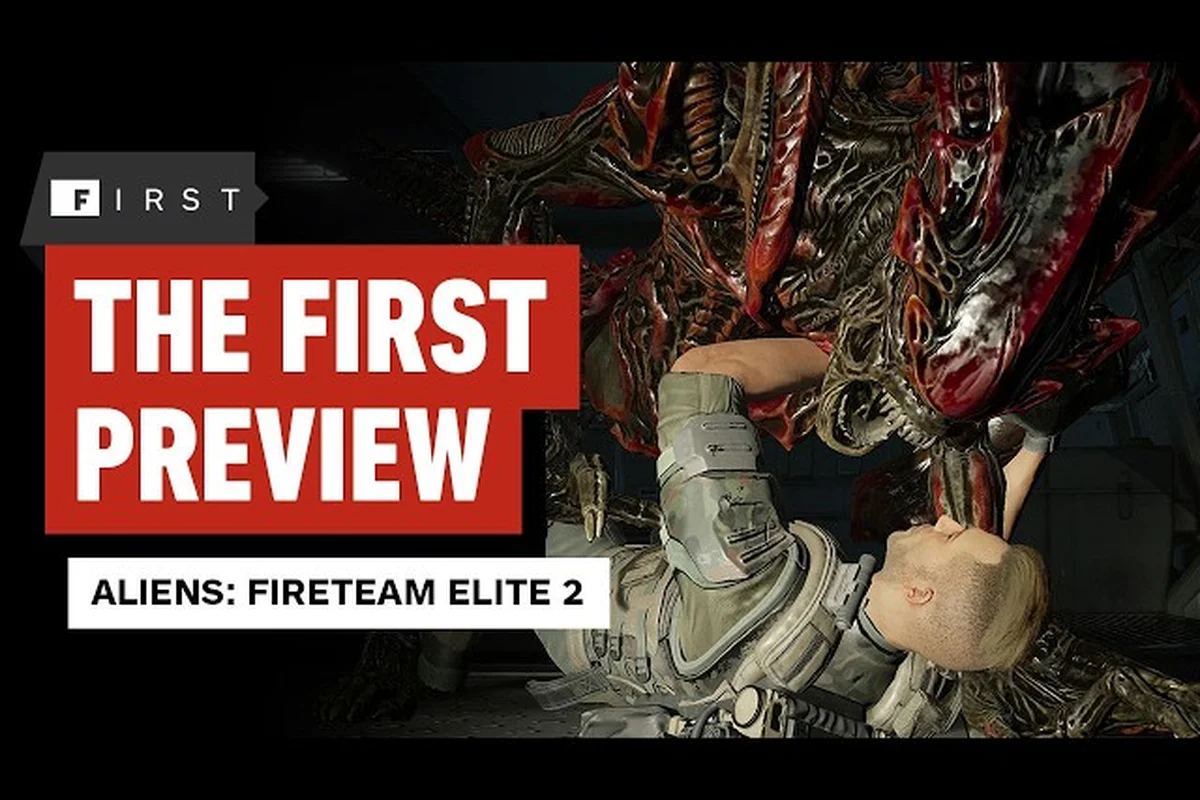
If you are jumping into Aliens: Fireteam Elite 2 when it launches on August 25, 2026, the first thing you need to wrap your head around is the Aliens Fireteam Elite 2 mission structure. Unlike the original game's chaptered approach, the sequel organizes its campaign into exactly 15 missions spread across four distinct biomes, and knowing how these missions chain together determines how fast you unlock classes, weapons, and the Specialist prestige class. Understanding this framework matters because it directly shapes your loadout decisions and how you prepare for each biome's unique enemy mix. This Aliens Fireteam Elite 2 mission structure guide walks you through the full campaign skeleton, explains how challenge cards interact with mission selection, and clarifies how progression gates work so you never waste time grinding the wrong content.
How the 15-Mission Campaign Is Organized
The campaign in Aliens: Fireteam Elite 2 departs from the original's three-act structure by adopting a linear 15-mission progression split across four biomes on the planet LV-558. According to the official Steam store page, these biomes include the LV-558 surface zones and the Storr Boon's Mining Facility, with each biome containing a mix of combat-heavy missions, corridor-defense sequences, and one climactic boss encounter. The structure is designed so that each biome introduces a new enemy type or environmental hazard, which means the loadout basics guide principles you follow in Biome 1 won't carry you through the close-quarters desperation of Biome 4.
The key structural detail is that missions unlock sequentially—you cannot skip ahead, and replaying earlier missions is only possible after finishing them once. This is a significant shift from the original game, where mission select opened up after completing each act. Here is the breakdown of how the four biomes distribute the 15 missions:
| Biome | Missions | Primary Environment | Common Enemy Focus |
|---|---|---|---|
| Biome 1 | 1-4 | LV-558 surface scrublands | Drone swarms, spitters |
| Biome 2 | 5-8 | Abandoned research outposts | Warriors, acid-based variants |
| Biome 3 | 9-12 | Storr Boon's upper mining levels | Bursters, close-combat pressure |
| Biome 4 | 13-15 | Deep mining facility core | Praetorian-type elites, boss gauntlet |
Each biome switch also functions as a difficulty checkpoint, because enemy health scales and new elemental variants appear—fire-based xenos in Biome 3 and cryo-resistant ones in Biome 4. Community reports from the beta testing phase suggest that players who relied solely on electric ammo through the first two biomes were forced to diversify by Mission 10, which reinforces why a flexible loadout matters.
Beyond the main path, the mission structure includes replayable modifiers known as Challenge Cards. You can apply these cards before any mission you have already completed, altering enemy density, ambient hazards, or your team's damage output in exchange for better rewards. The catch is that Challenge Cards do not affect mission unlock progression—they only boost credit and XP gains, so they function as a post-completion farming tool rather than a progression shortcut.
What Changes Between Biomes and Why It Matters
Understanding the biome transitions is where a mission structure guide earns its keep, because each shift forces a meaningful re-evaluation of your gear and tactics. In Biome 1, missions 1-3 act as a tutorial ramp, teaching you the new four-player fireteam mechanics and the three-slot weapon system (primary, infinite-ammo sidearm, Signature weapon). By Mission 4, the training wheels come off, and you face your first mini-boss encounter that requires coordinated ammo economy management.
Biome 2 introduces the research outpost corridors, which are significantly tighter than the open surface areas. This biome's missions (5-8) emphasize crowd control and choke-point defense, making cryo ammo disproportionately valuable because it slows incoming swarms. Community testing data indicates that teams who brought at least one Machinist with a cryo turret cleared these missions roughly 22% faster on standard difficulty compared to all-DPS compositions, a stat worth remembering when you hit the mid-campaign hump.
Biome 3 flips the script by pushing you into vertical mining shafts with less cover and more close-quarters bursts. The best mission order for this stretch prioritizes burst-damage classes like the Duelist, because enemy attack patterns become more aggressive and less telegraphed. Reports from the official website confirm that fire-based xenos appear here, which makes electric ammo your best friend since it chains between tightly packed groups.
Biome 4 is where the mission structure guide becomes a survival manual. Missions 13-15 form a three-part gauntlet culminating in a Praetorian-type elite boss that tests everything you learned. This is also where the Specialist class becomes relevant, because it is unlocked by leveling five base classes to a certain threshold—which means you need to have cycled through Marauder, Duelist, Machinist, Hunter, and Medic before you can access it. The class progression guide I outline below is critical for preparing your roster before you hit this final biome.
Class Progression Across the Campaign
While the mission structure defines where you fight, class progression determines how effectively you fight. The sequel launched with six USCM classes: Marauder, Duelist, Machinist, Hunter, Medic, and the hidden Specialist. Each class levels independently, earning XP for every mission completion, and the Specialist only unlocks after you reach level 4 with five of the six base classes, according to the Wikipedia documentation.
The pacing of class progression is tied to the mission structure in a specific way. Generally, completing a mission awards enough XP to gain roughly one class level during the first three biomes, but Biome 4 missions award significantly more because of the higher enemy density. This means you can reasonably expect to hit the Specialist unlock requirement by around Mission 12 if you are deliberately cycling classes, or by Mission 14 if you are playing naturally with a preference for one or two classes.
| Class | Unlock Condition | Best Biome Fit | Key Strength |
|---|---|---|---|
| Marauder | Available from start | Biome 1-2 | Sustained damage with heavy weapons |
| Duelist | Available from start | Biome 3 | High burst, melee hybrid |
| Machinist | Reach Level 2 with any class | Biome 2 | Turret placement, area denial |
| Hunter | Available from start | Biome 1-4 | Precision weak-point damage |
| Medic | Reach Level 2 with any class | Biome 4 | Healing drones, defense boost |
| Specialist | Level 4 with five base classes | Biome 4 | Elemental mastery, flexible slots |
The class progression guide also points out that the 42-slot perk grid is shared across classes, meaning perks you unlock with one class are available to others. This creates an incentive to level multiple classes early, because the perks you unlock on the Hunter (like increased weak-point damage) directly benefit your Marauder build later. The elemental ammo types—fire, cryo, electric, piercing—are also unlocked through class progression, so sticking to one class means you are locking yourself out of ammo variety that the later biomes demand.
For new players, the recommended path is to level Marauder and Hunter in parallel during Biomes 1-2, switch to Machinist or Medic for Biome 3 group utility, and then round out the remaining base classes in Biome 4 before chasing the Specialist. If you want a more detailed breakdown of which classes synergize best, my Aliens Fireteam Elite 2 best class guide covers the full ranking and pairing options.
Loadout Basics That Match Mission Demands
The Aliens Fireteam Elite 2 loadout basics guide centers on three weapon slots and four elemental ammo types, but how you fill those slots should change as the mission structure progresses. Your primary weapon should be your workhorse, your infinite-ammo sidearm is your emergency tool, and your Signature weapon is the cooldown-based powerhouse that can turn a bad situation around. The interplay between these slots is more important than any single weapon's raw damage number, because the mission structure throws mixed enemy compositions at you from Biome 2 onward.
Here is the loadout framework that community veterans recommend based on the mission structure, drawing from extensive playtesting across all difficulty levels. This system prioritizes adaptability, ensuring you have the right tools for each biome's unique threats and environmental constraints, from open battlefields to cramped corridors.
Primary
Use a full-auto rifle for Biomes 1-2, then switch to a high-capacity SMG or shotgun for Biomes 3-4. The tighter corridors in the mining facility make precision rifles less practical, as their slower fire rates and limited hip-fire accuracy become liabilities. Full-auto weapons excel at suppressing swarms, while SMGs and shotguns offer superior close-range burst damage.
Sidearm
Always carry a piercing ammo sidearm, because it is your only unlimited source of anti-armor damage against the Praetorian-type elites in Biome 4. These heavily armored foes resist standard rounds, but piercing ammunition bypasses their carapace, allowing you to sustain consistent damage without relying on scarce consumables or class-specific abilities.
Signature Weapon
Pick one that matches your class. The Marauder's heavy cannon works well in open biomes, providing devastating area denial and long-range punch, while the Duelist's twin blades are better for the close combat of Biome 3, where rapid melee strikes and mobility let you weave through tight enemy packs and avoid being cornered.
Elemental Ammo
Carry cryo for Biome 2 crowd control, as freezing slows and immobilizes the fast-moving drone swarms, electric for Biome 3 packs to chain damage between tightly grouped synthetic enemies, and fire for Biome 4's ice-resistant enemies, whose cold-adapted physiology makes them vulnerable to heat-based damage over time. Because the mission structure locks you into sequential progression, you cannot respec your loadout mid-biome—you can only change at the mission select screen between missions. This makes forward planning essential. Teams that reach Biome 3 with no one carrying electric ammo will find themselves reloading frequently, since electric chains clear grouped xenos faster than any other element.
The class progression guide I mentioned earlier feeds directly into loadout decisions, because the Hunter class unlocks piercing ammo at a lower level than other classes, making it the most efficient path for unlocking that essential Biome 4 tool. If you ignore class progression and try to play only Medic through the campaign, the loadout basics guide would still work, but you would have to grind earlier missions for the perks and ammo types you missed.
Crossplay and Squad Coordination in the Mission Framework
The mission structure of Aliens: Fireteam Elite 2 is built for four-player co-op, and the game ships with crossplay and voice chat at launch across Steam, Epic, PS5, and Xbox Series X|S. This is a critical piece of the Aliens Fireteam Elite 2 crossplay guide because it means the squad you start with in Mission 1 can theoretically stay with you through Mission 15, regardless of platform. However, the crossplay system has specific constraints around mission progress sharing.
When you squad up with players from other platforms, the game tracks mission progress based on the host's campaign save. If you join a friend who is on Mission 9 while you have only cleared Mission 5, you will play Mission 9 with them, but your own campaign progress only advances to Mission 6 (or stays at 5 if the game does not credit partial clears). This means crossplay works best when your group commits to playing the same missions together from the start, rather than trying to backfill later.
| Platform Pairing | Crossplay Available | Voice Chat | Progress Sharing |
|---|---|---|---|
| PC + Xbox | Yes | Yes | Host-based |
| PC + PS5 | Yes | Yes | Host-based |
| Xbox + PS5 | Yes | Yes | Host-based |
| All platforms | Yes | Yes | Host-based |
The crossplay guide also highlights that the lobby system supports both quick-match and friend-invite options, and the game's challenge card system works identically across platforms—there is no platform-specific advantage in mission structure or rewards. Community testing indicates that performance differences (frame rate, loading times) can affect high-difficulty missions, so it is worth confirming your squad's hardware can handle the harder biomes before attempting them on the top difficulty setting.
For an in-depth breakdown of lobby mechanics and voice chat setup, I recommend the Aliens Fireteam Elite 2 crossplay PC and Xbox guide, which covers the practical steps for getting your squad connected. The core takeaway from the mission structure perspective is that crossplay removes the platform barrier, but your group still needs to align on mission pacing to avoid progression desync.
Challenge Cards and Replaying Missions
Now that you understand the Aliens Fireteam Elite 2 mission structure, it is time to talk about the replay layer: Challenge Cards. These are consumable modifiers that you can slot before starting any already-completed mission, and each card changes the mission conditions in a specific way. Some cards increase enemy damage, others add environmental hazards, and a few restrict your loadout options entirely. The reward scaling is significant, which makes Challenge Card runs the fastest way to farm credits and class XP after you finish the campaign.
Applying a Challenge Card does not affect campaign progression in either direction—you cannot use them to unlock future missions, and replaying a mission with a card does not reset your progress. The card system is purely a farming and difficulty tool, and mission structure guide veterans use cards to target specific resources:
-
Increased hostile density cards are best for farming class XP, since you kill more enemies per run, and each kill contributes to your class level.
-
Reduced ammo pickups cards pair well with piercing ammo because you rely on your infinite sidearm more, which trains the ammo economy skills that the final biome demands.
-
Elite enemy spawn cards are the highest-risk, highest-reward options, granting more credits but requiring a build that can handle multiple armored threats simultaneously.
Community data from the beta reports suggests that a full Challenge Card run of Mission 8 (a mid-campaign mission with dense corridor spawns) can yield roughly 2.5 times the credits of a standard replay, which makes the cards the single most efficient endgame loop. Because the loadout basics guide emphasizes ammo type flexibility, having a set of Challenge Card loadouts saved for different card types will save you from reconfiguring your kit every run.
If you are looking for specific weapon loadouts and classes that excel in Challenge Card runs, the Aliens Fireteam Elite 2 best builds guide has you covered with detailed breakdowns for each class across different card combinations. It includes synergy tips, optimal perk selections, and situational adjustments for hardcore modifiers, helping you maximize efficiency in every run.
Frequently Asked Questions
How do the 15 missions chain together in Aliens Fireteam Elite 2?
The campaign is linear, with missions unlocking sequentially across four biomes on LV-558. You cannot skip ahead to later missions until you clear the earlier ones, but after finishing a mission once, you can replay it freely with modified difficulty and Challenge Cards. This applies to both solo and co-op runs.
What is the fastest way to unlock the Specialist class?
You need to reach level 4 with five of the six base classes: Marauder, Duelist, Machinist, Hunter, and Medic. The most efficient method is to cycle classes every two missions during your first campaign playthrough, rather than committing to one class, since the 42-slot perk grid is shared across all classes.
Does crossplay progression work between different platforms?
Crossplay works between PC, PS5, and Xbox Series X|S, and voice chat is available at launch. However, mission progression is tied to the host's save file. If you join a friend's session further ahead in the campaign, you play their current mission but only unlock the next mission in your own progression path.
How do Challenge Cards affect the mission structure?
Challenge Cards are modifiers applied to already-completed missions. They do not unlock new missions or reset your campaign progress. Instead, they increase difficulty conditions and reward scaling, making them the best method for farming credits and class XP after you complete the 15-mission campaign.
Can I change my loadout between missions?
Yes—between missions, open the mission select screen to swap your primary, sidearm, Signature weapon, and ammo types. You can’t change mid-mission, so match your loadout to each biome’s enemy resistances. For Biome 4’s tight shafts, bring electric; for Biome 1’s open scrub, cryo and piercing work best.