
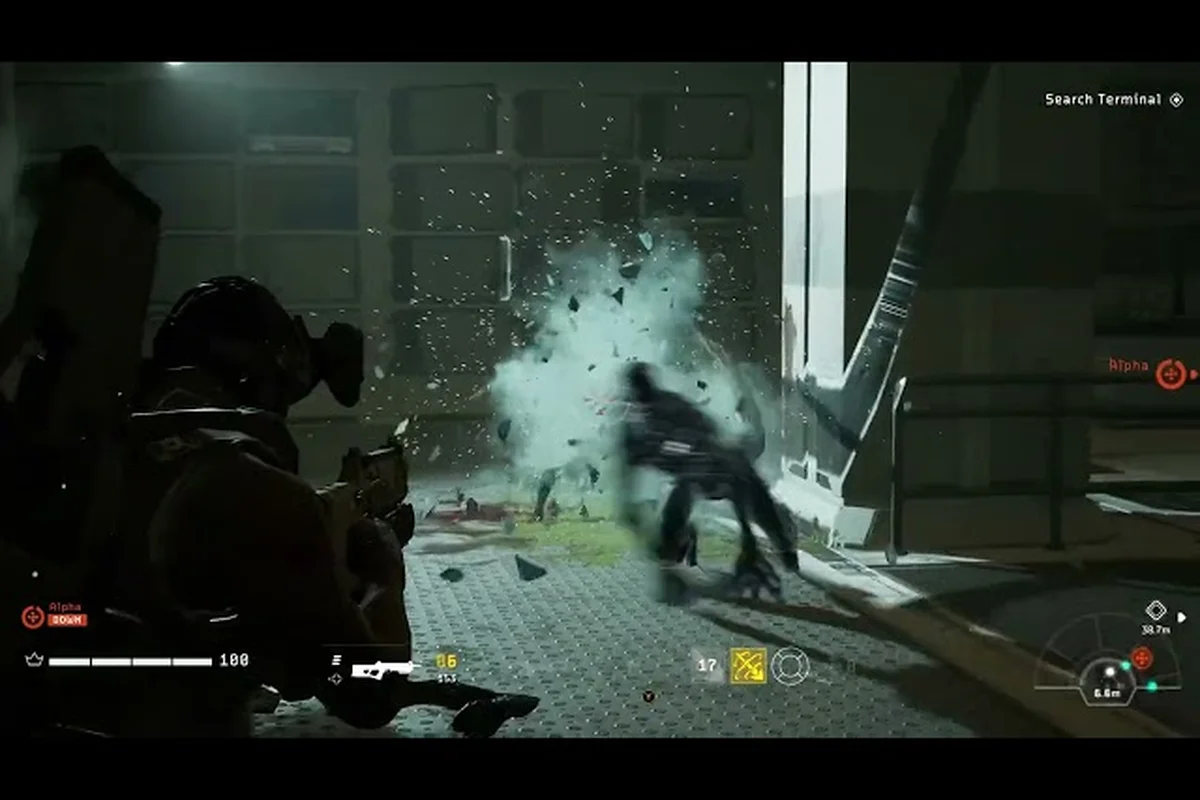
The xenomorphs in Aliens: Fireteam Elite 2 do not miss, and they do not stop coming. When the swarm closes in on LV-558, your aim matters less than your footwork, because a stationary marine is a dead marine. This Aliens Fireteam Elite 2 movement guide breaks down the exact strafing patterns, cover habits, and pounce-dodge timings that separate squads who extract from those who become incubation hosts. The core truth is simple: positioning beats firepower in every engagement, and learning to move before you shoot will cut your downed count dramatically across all 15 campaign missions.
The four-player co-op structure from Cold Iron Studios, releasing August 25, 2026 on Steam, Epic, PS5, and Xbox Series X|S, demands that every marine master the basics of evasion. While your class abilities and weapon augments matter, the beginner guide covers loadout fundamentals; this guide focuses exclusively on the physical skills of staying alive. You will learn why the dodge roll is your most important cooldown, how to read the pounce telegraph before the Runner leaps, and why hip-fire strafing outperforms aiming down sights in close-quarters corridor fights.
According to Aliens Fireteam Elite 2 on Steam, the game’s movement mechanics are built around a cover-based third-person shooter framework, where sprinting, sliding, and vaulting are tied to a stamina meter that depletes with sustained use. This stamina system forces players to manage their mobility carefully during intense firefights, as overexertion can leave them vulnerable to Xenomorph swarms. The cover system allows for tactical peeking and blind firing, while sliding and vaulting provide quick repositioning options to flank enemies or escape tight spots, all of which are essential for surviving the game’s cooperative missions. The movement system in Aliens: Fireteam Elite 2 builds on the original's third-person shooter foundation but adds critical new layers that change how you approach every firefight. Understanding these mechanics at a muscle-memory level is the foundation of any serious survival strategy, because the game's enemy AI has been upgraded to flank, surround, and cut off escape routes rather than simply charging in a straight line.
The most important addition is the dodge roll, which gives you a short window of invulnerability during the animation. This is not just a repositioning tool; it is your primary defensive answer to the new Siren's sonic scream and the Warden's ground slam, both of which can stagger you out of a firing stance. The roll covers roughly 4 meters of distance and takes about 0.6 seconds to complete, making it fast enough to break line-of-sight with a spitter's acid projectile if timed correctly.
| Movement Action | Speed (m/s) | Stamina Cost | Best Use Case |
|---|---|---|---|
| Walk | 3.5 | None | Precision aiming, corner peeking |
| Sprint | 6.8 | Drains over time | Closing distance, retreating to cover |
| Dodge Roll | 9.2 (burst) | 20% of bar | Dodging pounces, breaking line of sight |
| Crouch Walk | 2.1 | None | Avoiding detection by dormant synthetics |
| Slide (Marauder only) | 8.5 | 15% of bar | Closing gaps while maintaining fire |
Your stamina bar is the hidden currency of survival. It regenerates after about 2 seconds of not sprinting or dodging, which means you must learn to ration your bursts. Spamming the dodge roll leaves you exhausted exactly when the Harbinger charges its multi-target spike attack, and that timing mistake ends runs. Community testing suggests that maintaining at least 40% stamina at all times is the sweet spot for reacting to unexpected enemy spawns, which tend to occur behind your fireteam in the game's corridor-heavy level design.
Reading Enemy Telegraphs Before They Strike
Every enemy attack in Aliens: Fireteam Elite 2 has a wind-up animation that tells you what is coming, but the window to react is tight. The Runner's pounce is the most common threat: it crouches, hisses, and then leaps roughly 8 meters in a straight line. The dodge window opens when the Runner's legs leave the ground, not when it starts the animation, so early dodges get punished by the leap's slight homing adjustment.
The Siren is the new nightmare for movement-focused players because its sonic scream has a cone of effect rather than a single target. You cannot dodge-roll through it; you must break line of sight by moving behind a corner or a piece of cover. This is why the game's level design consistently places interlocking cover pieces in open arenas, and the smart play is to memorize these positions during the first wave of a horde encounter.
Sprinting also triggers a subtle audio cue that xenomorphs can hear, which matters in the stealth sections where dormant synthetic units patrol. Walking or crouch-walking past these patrol routes is the difference between a clean approach and triggering a full alarm that spawns two additional waves. Players report that the sound-based aggro system is more sensitive than the original game, so treating sprint as a combat tool rather than a travel tool will save you from many unnecessary fights.
Aiming Habits That Keep You Alive in a Swarm
Precision matters in Aliens: Fireteam Elite 2, but the way you aim determines whether you survive the swarm. The game's third-person camera means your character model can block your view of incoming threats, and tunnel vision on a single target is the most common cause of preventable damage. Developing situational awareness while aiming is a skill that requires deliberate practice, because the game punishes players who stand still to line up headshots.
The aim-down-sights (ADS) mechanic provides a 1.5x zoom and a 20% accuracy bonus, but it also reduces your movement speed by 35%. This trade-off means ADS is for mid-range engagements where you have clear sightlines and cover nearby, not for the tight corridor fights where the swarm closes to melee range within seconds. In those close-quarters situations, hip-fire accuracy is surprisingly viable, especially with the Pulse Rifle's high rate of fire and moderate spread.
| Aiming Style | Movement Speed | Accuracy Bonus | Best Range | Recommended Classes |
|---|---|---|---|---|
| Hip-Fire | 100% | Base | 0-15 meters | Marauder, Duelist |
| Aim Down Sights | 65% | +20% | 15-40 meters | Hunter, Specialist |
| Crouch + ADS | 40% | +35% | 30-60 meters | Hunter, Machinist |
| Quick Scope (tap ADS) | 85% | +10% | 10-25 meters | All classes |
The quick scope technique deserves special attention because it bridges the gap between mobility and precision. By tapping the ADS button for just 0.2 seconds before firing, you gain a partial accuracy bonus without committing to the full movement penalty. This works exceptionally well with the Duelist's sidearm and the Medic's SMG, both of which have low recoil and benefit from snap-shotting at head level.
Strafing Patterns That Break Enemy Tracking
Xenomorph AI in Aliens: Fireteam Elite 2 has a memory of your last known position and will adjust its charge direction accordingly. This means a simple backpedal gets you cornered, while a diagonal strafe pattern keeps the swarm guessing. The optimal movement is a zigzag at roughly 45 degrees from the enemy's approach vector, which forces the AI to recalculate its path continuously.
The strafe-jump technique adds a vertical component to your evasion: jumping while strafing changes your hitbox position enough to cause some enemy attacks to whiff entirely. This is particularly effective against the Spitter's acid glob, which has a 0.4-second travel time and lands where you were standing when it was fired. A well-timed strafe-jump causes the glob to splash harmlessly behind you.
Circle-strafing around a single elite enemy, such as the Warden, is the safest way to deal damage while avoiding its frontal attacks. The Warden's melee swings have a 180-degree arc in front of it, so maintaining a position at its flank or rear keeps you outside the danger zone. This technique requires discipline, because the instinct to back away from a charging enemy actually puts you in the path of its lunge attack.
Cover Usage and Line-of-Sight Management
Cover in Aliens: Fireteam Elite 2 is not a sticky-cover system like Gears of War; it is a line-of-sight tool that breaks enemy targeting and gives you breathing room. The game's levels are designed with waist-high walls, crates, and structural pillars that serve as effective shields against ranged attacks, but they do nothing against the swarm's melee charges. Understanding when to use cover versus when to keep moving is the difference between surviving a wave and getting overrun.
The peek-shoot technique is fundamental: position yourself behind a corner, aim down sights at the edge of the cover, fire a burst, then release ADS and step back behind the wall. This cycle takes about 1.5 seconds and minimizes your exposure window to roughly 0.8 seconds per peek. Against the Synthetic's pulse rifle fire, which deals significant damage per shot, this technique reduces your incoming damage by up to 70% compared to standing in the open.
| Cover Type | Blocks Ranged | Blocks Melee | Blocks Explosives | Durability |
|---|---|---|---|---|
| Waist-high wall | Yes | No | No | Indestructible |
| Crate stack | Yes | No | Yes (destroys) | 3 hits |
| Structural pillar | Yes | No | Yes | Indestructible |
| Vehicle wreck | Yes | Partial | Yes | 5 hits |
| Door frame | Yes | No | No | Indestructible |
Destructible cover adds a layer of tactical depth because the swarm will actively target crates and barricades to flush you out. The Exploder's self-destruct detonation has a 5-meter blast radius and will destroy any destructible cover within that range, so you must reposition before it reaches your position. Players report that the AI prioritizes destroying cover that you are actively using, which means staying in one spot for more than 10 seconds is a death sentence on higher difficulties.
Using Verticality to Control Engagement Distance
Many of the game's arenas feature elevated platforms and catwalks that provide a significant tactical advantage. Xenomorphs cannot climb, so they are forced to use ramps and stairs to reach you, which creates natural choke points where you can concentrate fire. The Machinist's turret becomes exponentially more valuable when placed on an elevated position, because it has a clear sightline across the entire approach.
The drop-down escape is a movement option that many players overlook: when you are being swarmed on a catwalk, dropping to the lower level breaks enemy pathing and gives you 2-3 seconds of free repositioning time. This is not a damage-free maneuver, as the fall causes minor fall damage (about 5% health), but it is far better than being cornered. The key is to drop toward a known escape route rather than into the middle of another swarm.
Elevation also affects your accuracy: firing from a higher position gives you a 10% damage bonus against targets below, while firing upward at enemies on catwalks incurs a 15% accuracy penalty. This asymmetry means you should always fight to control the high ground, and if you lose it, you should reposition rather than trying to shoot upward.
Advanced Evasion Tactics for Elite Enemies
The elite enemies in Aliens: Fireteam Elite 2 each require a different movement response, and mastering these counters is essential for the horde mode endgame. The Harbinger, a new hybrid xenomorph, combines the Runner's speed with the Praetorian's durability, and its multi-target spike attack tracks up to three players simultaneously. The dodge window for these spikes is 0.3 seconds, which is too tight for most players to react to visually.
The counter-intuitive solution is to sprint toward the Harbinger when it begins the spike attack, because the spikes travel in a straight line and you can pass under their trajectory. This aggressive movement also positions you at the Harbinger's flank, where its melee attacks have a slower wind-up. Community reports indicate that this tactic reduces the difficulty of the Harbinger encounter significantly, though it requires practice to overcome the instinct to retreat.
| Elite Enemy | Attack to Dodge | Dodge Direction | Timing Window | Punishment for Failure |
|---|---|---|---|---|
| Runner | Pounce | Sideways (90°) | 0.5s after leap | 30% health + knockdown |
| Siren | Sonic scream | Behind cover | Before charge completes | 25% health + stun |
| Warden | Ground slam | Dodge roll backward | 0.4s after slam starts | 40% health + armor break |
| Exploder | Self-destruct | Sprint away (10m+) | 1.0s after beeping starts | 60% health + fire DoT |
| Harbinger | Spike volley | Sprint toward enemy | 0.3s after launch | 50% health + bleed |
The Siren's scream is the most dangerous new attack because it bypasses armor and applies a stun effect that leaves you vulnerable for 2 seconds. The only reliable counter is to break line of sight before the scream completes its charge, which means you must be constantly aware of Siren positions and keep a cover route in mind. This is why the how to fight synthetics guide emphasizes situational awareness as the primary survival skill.
Stamina Management in Extended Fights
Extended fights, particularly in horde mode where waves can last 5-8 minutes, demand disciplined stamina management. The stamina bar regenerates at a rate of 15% per second after a 2-second delay from the last sprint or dodge, which means you can sustain roughly 6 dodge rolls before exhausting the bar. Planning your dodges rather than spamming them is the difference between surviving a wave and being caught exhausted.
The sprint-regen technique involves sprinting for 1 second (which drains about 15% stamina), then walking for 2 seconds to trigger the regen delay and recover. This cycle maintains a 70% average movement speed while keeping your stamina bar above 50%, which is the threshold needed for emergency dodges. Players who master this rhythm can effectively kite the swarm indefinitely, though it requires practice to maintain while firing.
Weapon weight also affects stamina drain: heavy weapons like the Smart Gun and Rocket Launcher increase sprint stamina drain by 25%, while light weapons like the Pistol and SMG reduce it by 10%. This is a hidden stat that the game does not display, but community testing has confirmed it affects movement sustainability. If you are running a heavy weapon loadout, you must be more conservative with your sprint usage.
Positioning Strategies for Different Mission Types
Each mission type in Aliens: Fireteam Elite 2 rewards a different positioning philosophy, and adapting your movement style to the objective is critical. The 15 campaign missions across four biomes on LV-558 range from tight corridor crawls to open arena defenses, and the USS Endeavor hub guide can help you prepare your loadout for these varied encounters.
In corridor missions, the swarm funnels toward you in a straight line, which makes sideways strafing the primary movement pattern. You want to maintain a position that keeps the entire swarm in front of you, using the corridor walls to limit flanking angles. The dodge roll is your emergency tool when a Runner breaks through the firing line, and you should roll toward the side rather than backward to maintain your firing position.
| Mission Type | Primary Movement | Cover Usage | Stamina Priority | Key Threat |
|---|---|---|---|---|
| Corridor crawl | Sideways strafe | Minimal | High (dodges) | Runner pounces |
| Open arena defense | Circle strafe | Heavy | Medium | Siren screams |
| Stealth infiltration | Crouch walk | Maximum | Low | Synthetic patrols |
| Horde mode | Kite + reposition | Moderate | Critical | Exploder detonations |
| Boss arena | Pattern-based | Moderate | High | Harbinger spikes |
In open arena defenses, the swarm surrounds you from multiple angles, and the correct response is constant rotation. You should be moving in a circular pattern around the objective, checking each approach vector as you rotate. This prevents the swarm from establishing a flank and gives your team's Machinist turrets clear sightlines. The rotation speed should match the swarm's pressure: faster when the swarm is dense, slower when you have breathing room.
Stealth infiltration missions require the opposite approach: minimal movement, maximum patience. The crouch-walk speed of 2.1 m/s is painfully slow, but it keeps you below the sound detection threshold of dormant synthetics. Players report that sprinting past a patrol triggers an alarm that spawns two additional waves, so the slow approach is always faster in the long run.
Frequently Asked Questions
What is the most important movement skill in Aliens Fireteam Elite 2?
The dodge roll is the most important movement skill because it provides invulnerability frames that can negate pounces, screams, and explosive damage. Mastering the 0.6-second timing of the roll and learning when to use it defensively rather than offensively will reduce your damage taken by roughly 40% across a typical mission.
How do I dodge the Runner's pounce attack?
The Runner telegraphs its pounce with a crouch and hiss, then leaps roughly 8 meters in a straight line. The dodge window opens when the Runner's legs leave the ground, not when the animation starts. Roll sideways at a 90-degree angle to the leap direction, and you will avoid the attack entirely.
Should I aim down sights or hip-fire in close quarters?
In close-quarters fights under 15 meters, hip-fire is generally better because it preserves your full movement speed and lets you strafe effectively. Aim down sights reduces your speed by 35%, which makes you an easy target for the swarm. Use the quick scope technique for a balance of accuracy and mobility.
How does stamina management affect survival?
Stamina is the resource that powers your dodge rolls and sprints, both of which are essential for avoiding damage. Maintaining at least 40% stamina at all times ensures you can react to unexpected threats. The sprint-regen technique of alternating sprint and walk keeps you mobile while preserving your dodge capacity.
What is the best way to handle the Siren's sonic scream?
The Siren's scream hits a cone, not a line—rolling won’t save you. Watch for the telltale shimmer, then break line of sight behind any solid pillar or bulkhead before the charge finishes. Pre-plan two escape routes per arena; hesitation means a face full of sonic death.